How to Spot Black Mold in Your Sarasota Home: Early Warning Signs
Sarasota’s subtropical humidity creates an environment where mold thrives year-round. At Sarasota FL Mold Removal, we help homeowners identify and eliminate mold before it spreads. Many homeowners here don’t realize they’re living with black mold until serious damage appears. Understanding what to look for matters because early detection saves thousands in remediation costs
Black mold isn’t always the enemy you think it is. But when Stachybotrys chartarum shows up in your home, action becomes necessary. This guide teaches you exactly what to watch for, where to look, and when professional help becomes essential.
What Does Black Mold Look Like?
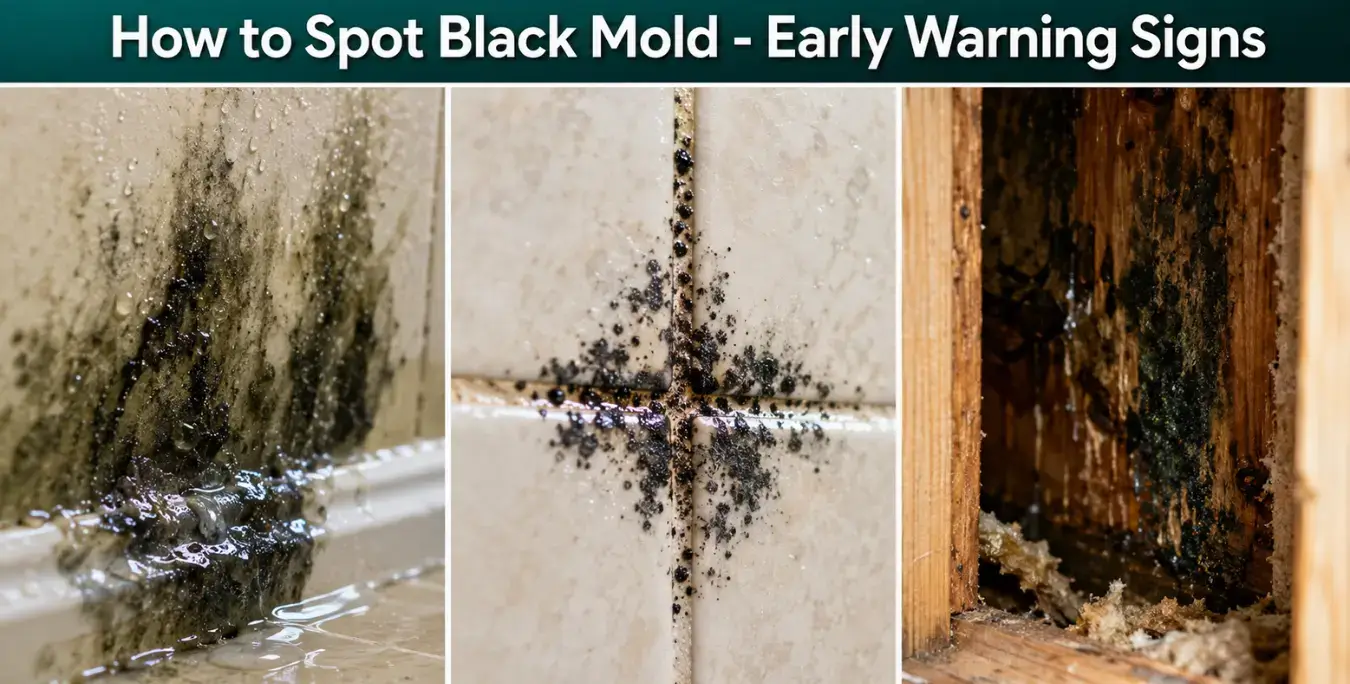
The name “black mold” misleads most people. Not all black or dark mold is the dangerous kind. Stachybotrys chartarum appears dark green to black, often with a slimy texture rather than fuzzy growth.
Black mold spreads in patches. The color varies depending on moisture levels and age. Fresh growth appears lighter, sometimes greenish. Older colonies turn darker as they mature. The texture feels wet and slick to the eye, unlike powdery mold varieties.
Look for these visual characteristics specifically:
Wet, slimy appearance. Black mold looks damp, not dry. It has a glossy sheen rather than a powdery coating. Run your hand near it without touching. Moisture should feel present in the air around the growth.
Clustered patterns. Black mold doesn’t spread randomly. It grows in concentrated patches where moisture collects. You’ll see dark spots grouped together, expanding outward from a moisture source.
Dark coloration with possible greenish tints. The color ranges from dark green to nearly black. Sometimes you’ll spot a subtle greenish cast underneath the dark layer. This happens when the mold colony matures.
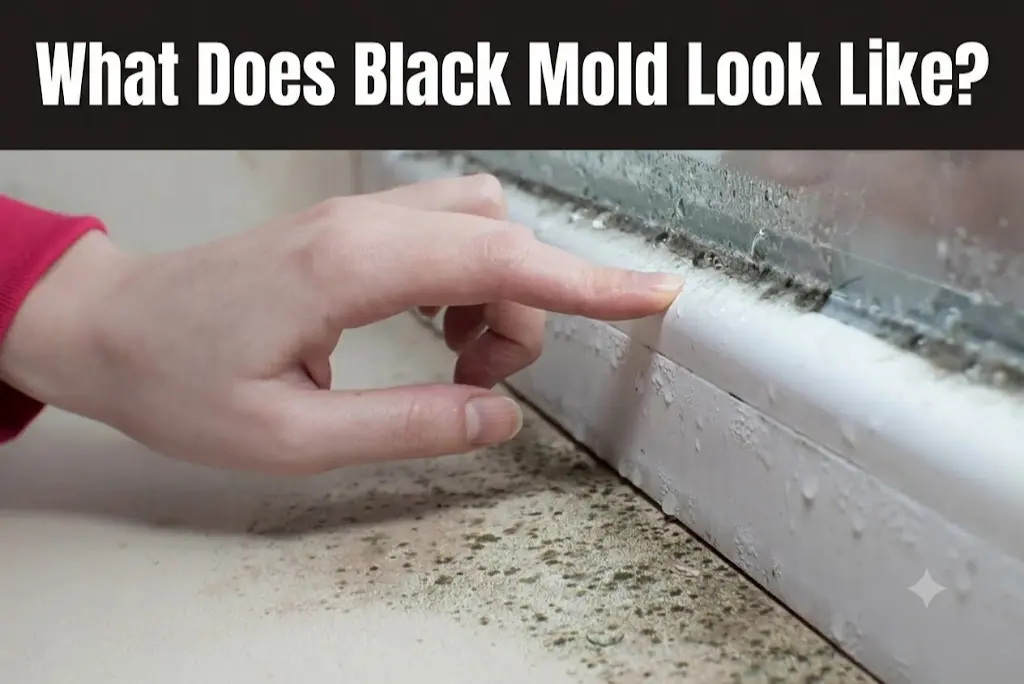
Absence of fuzzy texture. Unlike common household mold types, black mold typically feels slimy, not fuzzy. Aspergillus and Penicillium create that fuzzy, powdery appearance. Black mold looks smooth and wet.
Here’s what matters for Sarasota homeowners specifically: humidity levels in our area accelerate black mold growth. Our average humidity exceeds 70 percent year-round. Coastal air adds salt moisture that feeds mold development. These environmental factors mean black mold can appear within days of water exposure, not weeks.
Black Mold vs. Other Mold: How to Tell the Difference
This distinction saves you money and time. Not every dark spot in your home requires professional removal. Understanding mold types helps you respond appropriately.
Aspergillus appears black or dark gray but maintains a powdery, chalky surface. You can wipe it away easily without moisture resistance. Aspergillus grows on dead plants and organic material. It poses far fewer health risks than black mold in most cases.
Penicillium typically shows blue, green, or gray colors. Some species appear dark but lack the slimy texture. Penicillium grows on bread, cheese, and decaying organic matter. You’ve seen Penicillium if you’ve ever found fuzzy spots on old food. It’s generally safe compared to Stachybotrys chartarum.
Cladosporium creates dark brown to black growth that looks almost black. The key difference: Cladosporium appears dry and powdery. Black mold looks wet and slick. Touch testing helps here, though don’t actually touch the mold directly.
The moisture test matters most. Black mold requires constant moisture to survive. If the area feels dry, black mold isn’t present. If moisture surrounds the dark growth, Stachybotrys chartarum becomes your primary concern.
The texture test works too. Blow gently near the growth without touching it. Fuzzy mold releases spores easily in visible clouds. Black mold sits wet and heavy. It won’t respond to a gentle air current the same way.
The location test provides clues. Black mold grows where moisture persists continuously. Aspergillus and Penicillium tolerate drier conditions. If mold appears in a perpetually damp spot, suspect black mold first.
Sarasota residents face a specific challenge: humid air allows multiple mold types to coexist. You might have black mold and Aspergillus in the same bathroom. Professional inspection confirms what’s present. Visual identification gives you a starting point, but testing removes guesswork.
Common Places Black Mold Grows in Sarasota Homes
Sarasota’s geography and climate create specific mold hotspots. Understanding these danger zones lets you inspect proactively before major damage occurs.
Bathrooms remain the primary location. Shower steam creates constant moisture. Bathroom exhaust fans often don’t vent completely in Sarasota homes. Humidity lingers for hours after showers. Black mold thrives on bathroom tile grout, caulking, and the underside of sink vanities. Check behind the toilet base where floor moisture accumulates.
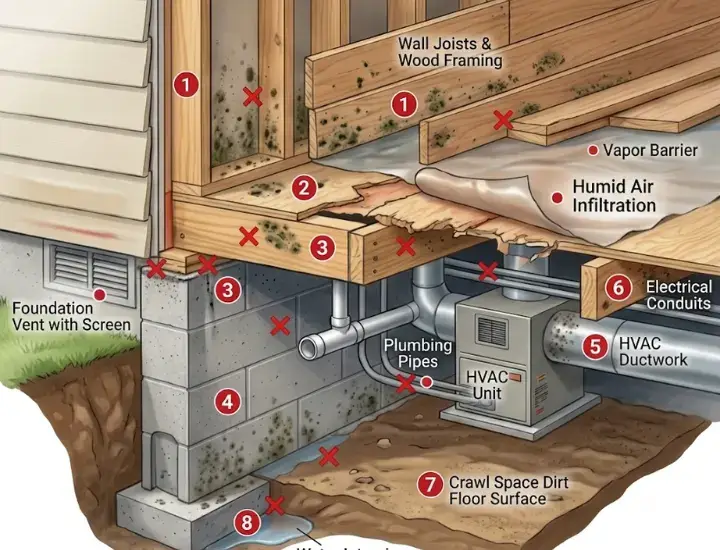
Crawl spaces accumulate moisture relentlessly. Sarasota’s water table sits high. Many homes have inadequate crawl space drainage. Black mold colonizes wood framing and insulation underneath houses. The smell reaches first floors but homeowners don’t always connect it to crawl space problems. Inspect your crawl space quarterly during summer months when humidity peaks.
Attic spaces harbor mold when roof ventilation fails. Heat builds in Florida attics, causing condensation on roof underlayment. Roof leaks create perfect mold conditions. Black mold grows on wooden trusses and rafters. You won’t see it until damage becomes significant. Annual roof inspections prevent this entirely.
HVAC systems distribute mold spores throughout homes. Your air conditioning condensation line collects moisture. If that line clogs or drains improperly, standing water forms in your system. Black mold colonizes the evaporator coil. Every time your AC runs, it spreads spores through every room. This represents a serious health concern for respiratory sensitive people.
Around windows and doors where moisture condenses. Sarasota’s temperature fluctuations cause condensation on glass. Water runs down window frames into wood. Black mold establishes in window sills, especially on the south and west sides of homes. Check wooden window frames first.
Behind baseboards and in wall cavities. Water wicks into baseboards from floor moisture. Black mold grows inside walls where you can’t see it. You’ll smell it before you spot it. The mustiness signals hidden growth behind walls.
Laundry areas with poor ventilation. Dryer exhaust moisture needs to exit outside completely. Improperly vented laundry rooms accumulate humidity. Black mold grows on washer connections and floor areas. Many Sarasota homes have laundry room issues because original venting didn’t account for summer humidity.
Kitchens under sinks. Leaks develop gradually. Black mold establishes in the cabinet space before you notice water damage. Smell becomes the first warning sign. Check under your sink monthly.
Areas affected by prior water damage. Previous flooding or burst pipes create lasting moisture problems. Even after cleanup, moisture remains trapped in materials. Black mold takes weeks to appear but will establish in these weak points.
Neighborhoods with specific challenges: Palmer Ranch homes often have drainage issues due to ground elevation. Siesta Key properties face higher humidity from coastal influence. Lakewood Ranch’s older homes have outdated ventilation. Gulf Gate Estates homes built in the 1980s have insulation problems. These regional differences mean your inspection priorities vary by neighborhood.
Early Signs and Warnings Before Mold Spreads
Catching black mold early changes everything. These warning signals appear before visible mold growth becomes obvious.
✅ The smell comes first for most people
Black mold produces a distinct musty odor. It’s earthy and damp, different from typical basement smells. If you notice musty smells in specific rooms, investigate immediately. Smell indicates active mold growth somewhere nearby. Sarasota residents shouldn’t dismiss musty odors as normal humidity. That smell represents a problem needing attention.
✅ Visible moisture on surfaces suggests black mold risk
Water droplets on walls, windows, or pipes create moisture zones. Black mold needs these wet conditions. Condensation that appears regularly signals problematic humidity levels. Fix condensation sources before mold establishes.
✅ FDiscoloration appears on surfaces before obvious growth
Dark staining on wood, drywall, or concrete indicates moisture penetration. Not all staining means black mold, but staining means moisture exists. Moisture plus time equals mold. Address discoloration immediately.
✅ Family members experience unexplained allergic reactions
Coughing, sneezing, or respiratory irritation that intensifies indoors suggests mold exposure. Black mold spores trigger reactions in sensitive individuals. If symptoms improve when away from home, indoor mold likely exists.
✅ Paint peeling or bubbling indicates moisture underneath
Water travels behind paint before you see staining. Black mold grows on the damp surface before paint damage becomes apparent. Peeling paint demands moisture investigation.
✅ Soft spots appear on wooden surfaces
Black mold damages wood fibers over time. Wood becomes spongy and weak. Structural damage occurs silently. Press on wood framing occasionally. Soft spots mean damage has progressed significantly.
✅ Increased dust or visible spore floating
When black mold disturbs during normal activity, spores become airborne. You might notice dust clouds near affected areas. Increased dust in specific rooms suggests active mold.
✅ Condensation builds on windows regularly.
Sarasota’s humid air meets cool windows frequently. Regular condensation shows your home traps moisture. This environment welcomes black mold establishment.
✅ IGutters overflow or debris accumulates
Clogged gutters divert water toward your foundation. This moisture reaches crawl spaces and basements. Overflowing gutters represent a black mold risk factor in Sarasota.
✅ Water stains expand gradually
Compare staining across weeks. Expanding stains mean active moisture problems. Black mold often follows these moisture trails.
These early warning signs matter because black mold spreads slowly at first, then rapidly. You have a window of opportunity between initial establishment and serious infestation. Most Sarasota homeowners miss this window because they don’t know these warning signs exist.
When to Call a Professional
DIY mold cleanup fails more often than it succeeds. The reasons are scientific and practical.
Professional remediation becomes necessary at this point. Larger mold colonies have deeper root systems. Cleanup without addressing the moisture source fails completely.
Lingering musty odors mean you missed the mold source. It’s growing in hidden cavities or materials. Professional inspection with moisture detection finds hidden growth.
Cleaning your own air conditioning system spreads spores. Your ac system needs professional remediation to prevent spreading mold throughout your home. Spores circulate through every room otherwise.
Post-flood or post-leak assessment prevents hidden mold establishment. Professionals dehumidify and dry materials properly. This investment prevents months of problems later.
Asthma, allergies, or immune compromise warrant professional removal. Mold spore exposure intensifies respiratory issues. Professional work controls exposure during remediation.
Developing lungs respond poorly to mold exposure. Pregnant women face increased complication risks from mold toxins. Professional removal protects vulnerable family members.
Professional mold removal involves several steps: moisture identification and elimination, affected material removal, proper containment during work, HEPA filtration during cleanup, and verification testing. Our black mold removal service in Sarasota follows IICRC S520 protocols and includes post-remediation clearance testing. We understand your neighborhood’s specific challenges and provide a written 90-day guarantee on every job
FAQ: Black Mold Identification and Dangers
Moving Forward
Black mold in Sarasota requires attention but not panic. Understanding what to look for puts you ahead of problems. The early warning signs give you time to respond before damage escalates.
Your inspection routine should include quarterly checks in high-risk areas. Bathrooms, crawl spaces, and attics deserve monthly attention during humid seasons. Address moisture problems immediately rather than waiting.
If you’ve found potential black mold or suspect hidden growth, professional assessment removes uncertainty. Early action prevents exponential problems. Sarasota’s climate makes mold management ongoing rather than one-time.
Trust your senses. Unusual smells or visible growth warrant investigation. Respiratory symptoms indoors deserve attention. These signals exist for a reason.
Black mold identification skills protect your family and your investment. Knowledge transforms anxiety into action. Stay vigilant, stay informed, and address moisture problems before mold establishes.
ABOUT US
Sarasota, FL, mold removal is a local, mold-only team specializing in mold removal, mold remediation, and air quality restoration. We live in the same humid Florida climate you do, and we know how Sarasota’s heat, moisture, and storm season create the perfect conditions for mold to grow unchecked. Our mission is simple: fast response, certified remediation, and homes that stay clean and safe all year long.
OUR ADDRESS
Sarasota FL Mold Removal
301 Central Ave, Sarasota, FL 34236
📞 (941) 555-0192
Areas We Serve
Serving Greater Sarasota & Surrounding Areas
Copyright © 2026 Sarasota, FL Mold Removal


