How Mold Exposure Affects Your Health: Symptoms, Risks & Warning Signs
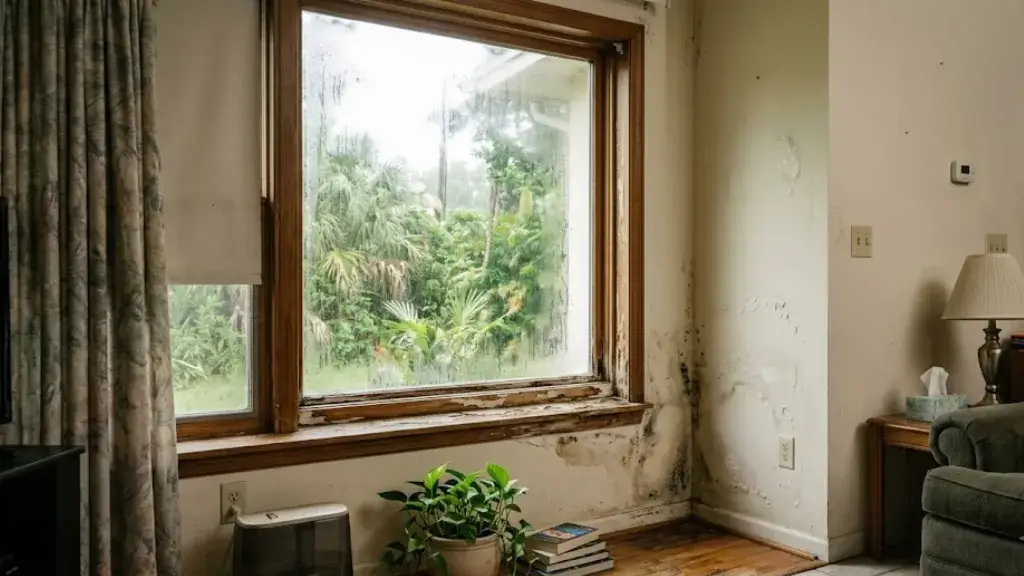
If you live near Siesta Key or Gulf Gate, you already know Sarasota air feels heavy most days. That heaviness isn’t just weather. It’s moisture, and moisture feeds mold. Mold doesn’t stay outside. It moves into closets, bathrooms, air handlers, and crawl spaces. Once it settles in, it can quietly affect your health long before you see it.
The problem is that most homeowners don’t connect the dots. A cough that won’t quit, a rash that keeps coming back, or a stuffy nose that never fully clears often gets blamed on allergies or a stubborn cold. Mold rarely gets mentioned, even though it’s one of the most common causes hiding in plain sight. By the time it’s noticed, it may have been affecting your family for weeks or months.
The good news is that mold-related health problems are almost always solvable once you know what’s causing them. This guide explains what mold exposure actually does to your body. You’ll learn the early symptoms, who faces the highest risk, and when a doctor visit matters more than a cleaning product. You’ll also learn what actually stops the problem at its source, so your home stops working against your health.
What Happens When You’re Exposed to Mold
Mold exposure doesn’t feel dramatic at first. It starts quietly, often before you notice anything wrong. Your body begins reacting the moment spores enter the air you breathe. What happens next depends on how much mold is around and how your body responds to it.
How Mold Spores Enter Your Body
Mold spreads through tiny spores. They float through the air, too small to see. You breathe them in without noticing. Some land on your skin. Others settle in your nose, throat, or lungs.
Most people breathe in some mold spores every day. Outdoor air always carries a few. The trouble starts when spore counts climb indoors. A damp bathroom on Beneva Road or a musty closet in Gulf Gate Estates can hold far more spores than the yard outside.
Why Some People React and Others Don’t
Not everyone reacts to mold the same way. Some people breathe it in and feel nothing. Others develop symptoms fast. Your immune system decides the difference.
People with allergies or asthma often react faster and harder. So do young children and older adults. A healthy adult might tolerate light exposure for weeks. Someone with a lung condition might feel sick within days.
Common Symptoms of Mold Exposure
Respiratory Symptoms
Coughing is often the first sign. Wheezing follows in people prone to asthma. Some notice shortness of breath climbing stairs they normally handle fine. These symptoms often worsen indoors and ease up outside.
Skin Reactions
Mold can irritate skin on contact. Redness, itching, and small rashes are common. These reactions usually clear up once you leave the moldy space. If a rash keeps returning in the same room, mold is worth checking.
Eye and Sinus Irritation
Watery, burning eyes are a classic mold symptom. Sinus congestion follows close behind. Many people mistake this for seasonal allergies. The difference is timing. Mold symptoms don’t disappear with the seasons. They stick around as long as the mold does.
Headaches and Fatigue
Ongoing headaches and unexplained tiredness sometimes trace back to mold. These symptoms are harder to link directly. Still, many homeowners report both fading fast after mold removal.
Is Mold Exposure Making You Sick? Warning Signs to Watch For
Symptoms That Improve When You Leave Your Home
This is one of the clearest signs of indoor mold. If your cough eases at work but returns at home, your house deserves a closer look. The same goes for a rash that fades on vacation and flares up again by the time you’re back on Tuttle Avenue.
Recurring Illness With No Clear Cause
Frequent colds, sinus infections, or bronchitis without a clear reason can point to mold. Your immune system stays busy fighting off spore exposure. That leaves less energy to fight off actual germs.
Signs Specific to Long-Term Exposure
Long-term mold exposure can lead to more persistent breathing trouble. Some people develop new sensitivities they never had before. Children exposed early sometimes develop asthma that wasn’t there previously.
How Mold Affects Asthma and Respiratory Conditions
Mold as an Asthma Trigger
Mold ranks among the most common asthma triggers indoors. Health researchers have found solid evidence linking damp indoor spaces to worsened asthma symptoms in people who already have the condition. For families near Palmer Ranch or Lakewood Ranch dealing with year-round humidity, this risk runs higher than in drier climates.
Hypersensitivity Pneumonitis Explained
This is a rarer but serious lung reaction. It happens when the immune system overreacts to mold in the lungs. Symptoms include fever, chills, and a persistent cough. It usually takes repeated, heavy exposure to trigger.
Sinusitis and Chronic Congestion Linked to Mold
Chronic sinus problems sometimes trace back to mold rather than a cold that won’t quit. If antibiotics keep failing to clear congestion, mold could be the reason nothing improves.
Types of Mold and Their Health Risks
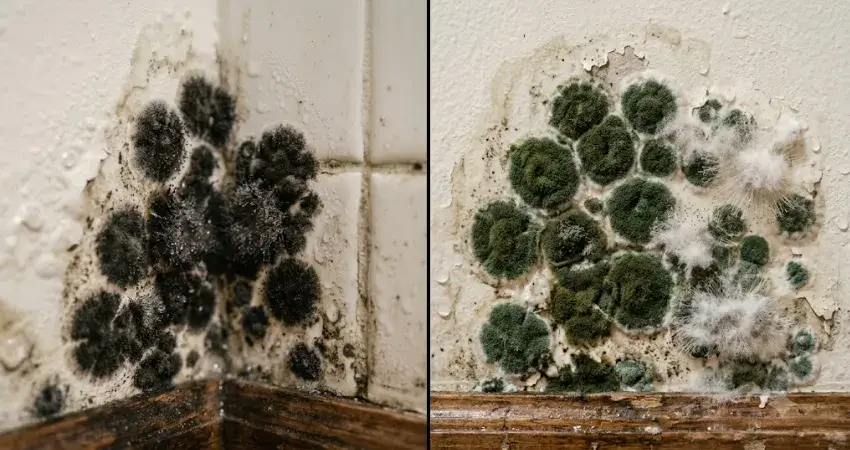
Black Mold (Stachybotrys Chartarum)
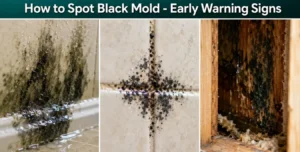
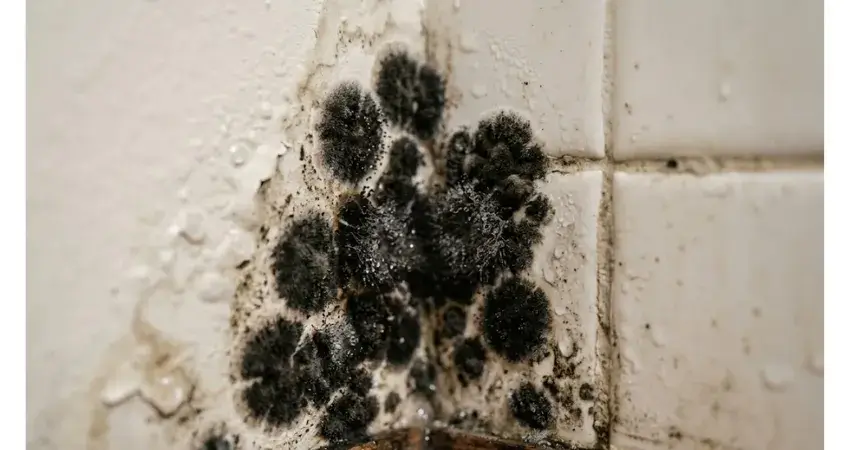
Black mold gets the most attention, and much of the fear around it is overstated. It commonly causes sneezing, coughing, and eye irritation. Serious illness from black mold alone remains rare. Still, its presence signals a moisture problem that needs fixing.
Still, its presence signals a moisture problem that needs fixing. If you’ve spotted dark staining in your home, professional black mold removal is worth calling in before it spreads
Aspergillus and Lung Infections
Aspergillus is common in humid homes. Most healthy people handle exposure without issue. People with weakened immune systems face a higher risk of lung infection from this mold type.
Penicillium and Cladosporium
These two are common in Florida homes but get less attention. Penicillium often grows on water-damaged materials. Cladosporium thrives on damp wood and fabric. Both trigger allergy symptoms in sensitive people.
Who’s Most at Risk from Mold Exposure

Children and Developing Immune Systems
Children breathe faster than adults relative to their size. That means more spore exposure per breath. Their lungs are still developing, which makes early exposure more concerning.
Elderly Residents
Older adults often have weaker immune defenses. Existing lung or heart conditions can make mold symptoms hit harder and last longer.
People With Asthma, Allergies, or Weakened Immunity
Anyone with asthma, allergies, or a compromised immune system should treat household mold as a priority. Their bodies react faster and recover slower.
Does Mold Cause Serious Long-Term Illness? Separating Fact From Myth
What’s Scientifically Established
Research consistently supports a link between mold and asthma, allergic reactions, and general respiratory irritation. These effects are well documented and widely accepted among health agencies.
Claims That Remain Unproven or Disputed
Some claims about mold causing memory loss, cancer, or widespread organ damage remain unproven. Researchers continue to study these possibilities, but current evidence doesn’t confirm them. It’s worth taking mold seriously without assuming the worst outcome.
When to See a Doctor for Mold-Related Symptoms
Most mold symptoms clear up once the mold is gone. Some don’t, and that’s when a doctor’s opinion matters more than guessing. Knowing which symptoms need medical attention can save you time and stop a small problem from growing into a bigger one.
Symptoms That Warrant Immediate Medical Attention
See a doctor if you experience shortness of breath, chest tightness, or a fever alongside mold exposure. These symptoms need medical evaluation, not home remedies.
What to Tell Your Doctor
Mention when your symptoms started. Note whether they improve away from home. Describe any visible mold or musty smells you’ve noticed. This helps your doctor connect the dots faster.
What Health Authorities Say About Mold Exposure
CDC Guidance on Mold and Health
Health agencies report that mold exposure can cause a stuffy nose, sore throat, coughing, wheezing, and burning eyes in some people, with more severe reactions among those with asthma or mold allergies. This lines up with what most Sarasota families report after living with hidden moisture problems.
EPA and WHO Recommendations
The EPA recommends controlling indoor moisture as the main defense against mold-related health issues. The World Health Organization has published separate guidance connecting damp indoor environments to respiratory health risks. Both agencies agree on one point. Fixing moisture matters more than any cleaning product.
How to Protect Your Health From Mold at Home
Protecting your health starts with controlling moisture, not chasing mold after it appears. A few simple habits make the biggest difference. Once your home stays dry, mold has nowhere to grow, and your symptoms have far less to react to.

Controlling Indoor Humidity
Keep indoor humidity between thirty and fifty five percent. A working air conditioner and a simple humidity meter make this easy to track. “Sarasota’s naturally high humidity makes this harder than in most cities, so understanding local humidity and mold conditions helps you know what’s normal versus what signals a problem.”
Identifying Hidden Mold Sources
Check your air handler, crawl space, and attic first. These spots stay damp and dark, which mold prefers. Homes near Phillippi Creek or close to the bay often see higher moisture levels in these areas.
When Professional Testing or Remediation Is Necessary
If symptoms persist or you spot visible growth, call a professional. Testing confirms what you’re dealing with. Remediation removes it safely, without spreading spores further through your home.
FAQ About Mold and Health
Protect Your Sarasota Home and Family from Mold-Related Health Risks
Mold rarely announces itself right away. It builds quietly in humid corners of Sarasota homes, from Siesta Key bungalows to newer builds in Lakewood Ranch. Watching for symptoms early, and fixing moisture fast, keeps small problems from turning into health concerns. If something in your home doesn’t feel right, trust that instinct and get it checked. If you’re not sure where to start, our team at sarasotaflmoldremoval.com can help you figure out what’s really going on in your home.